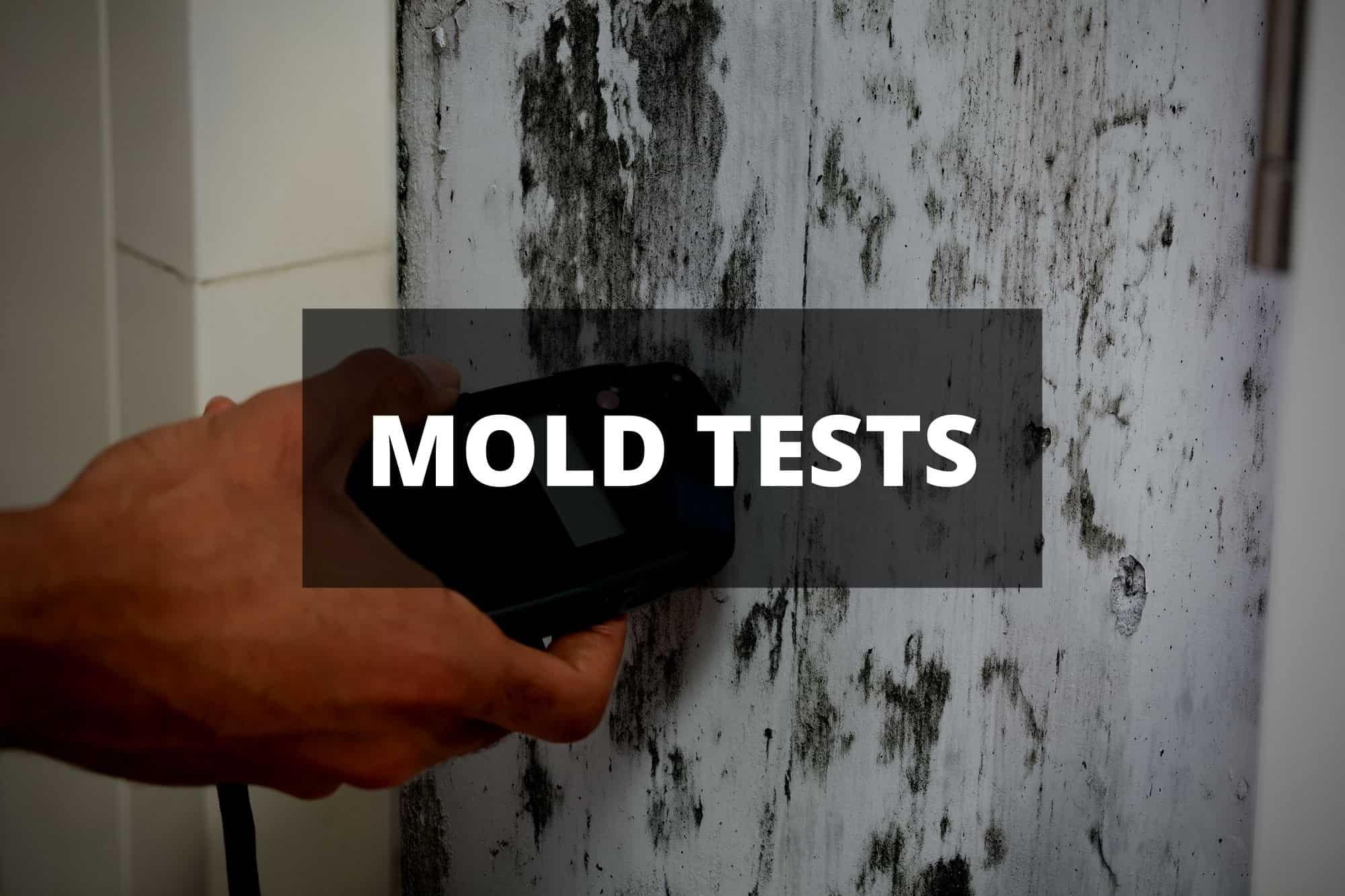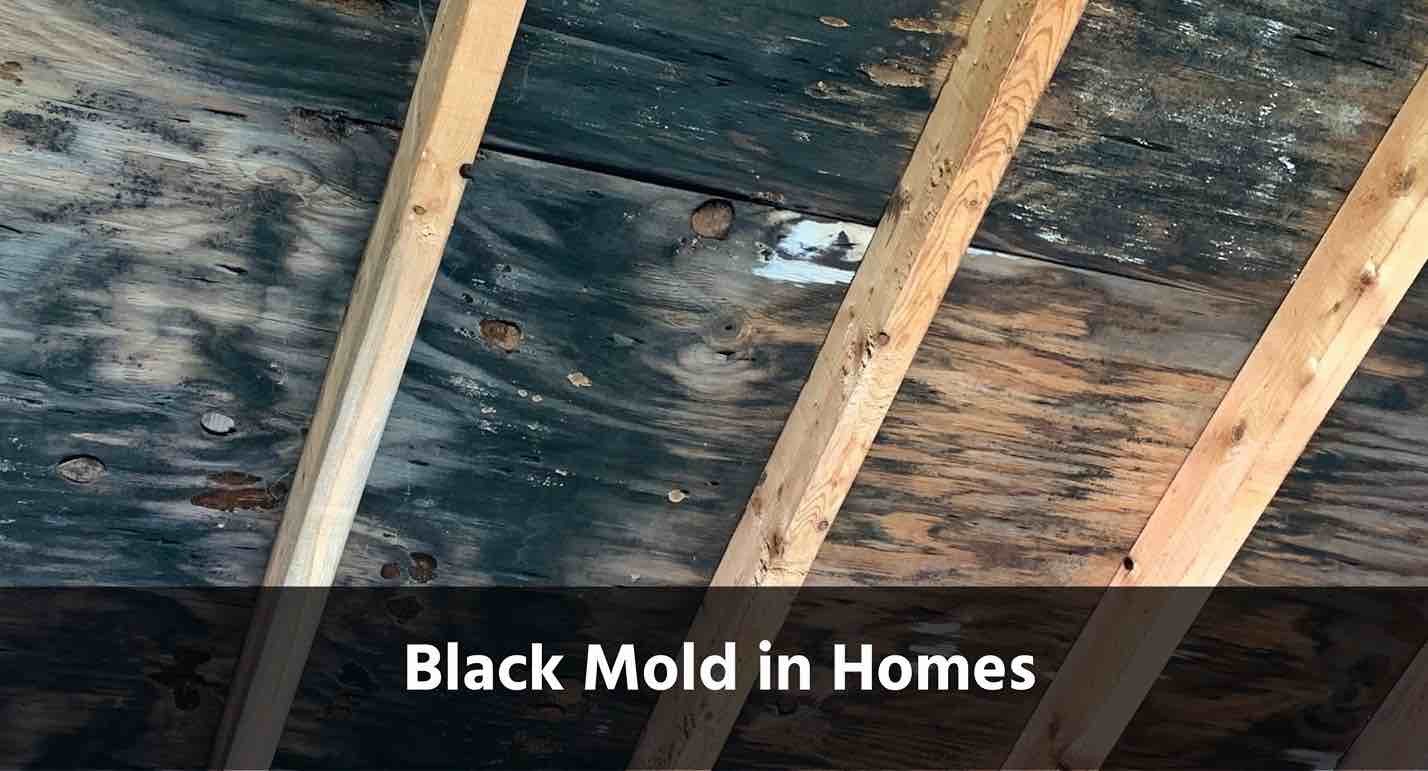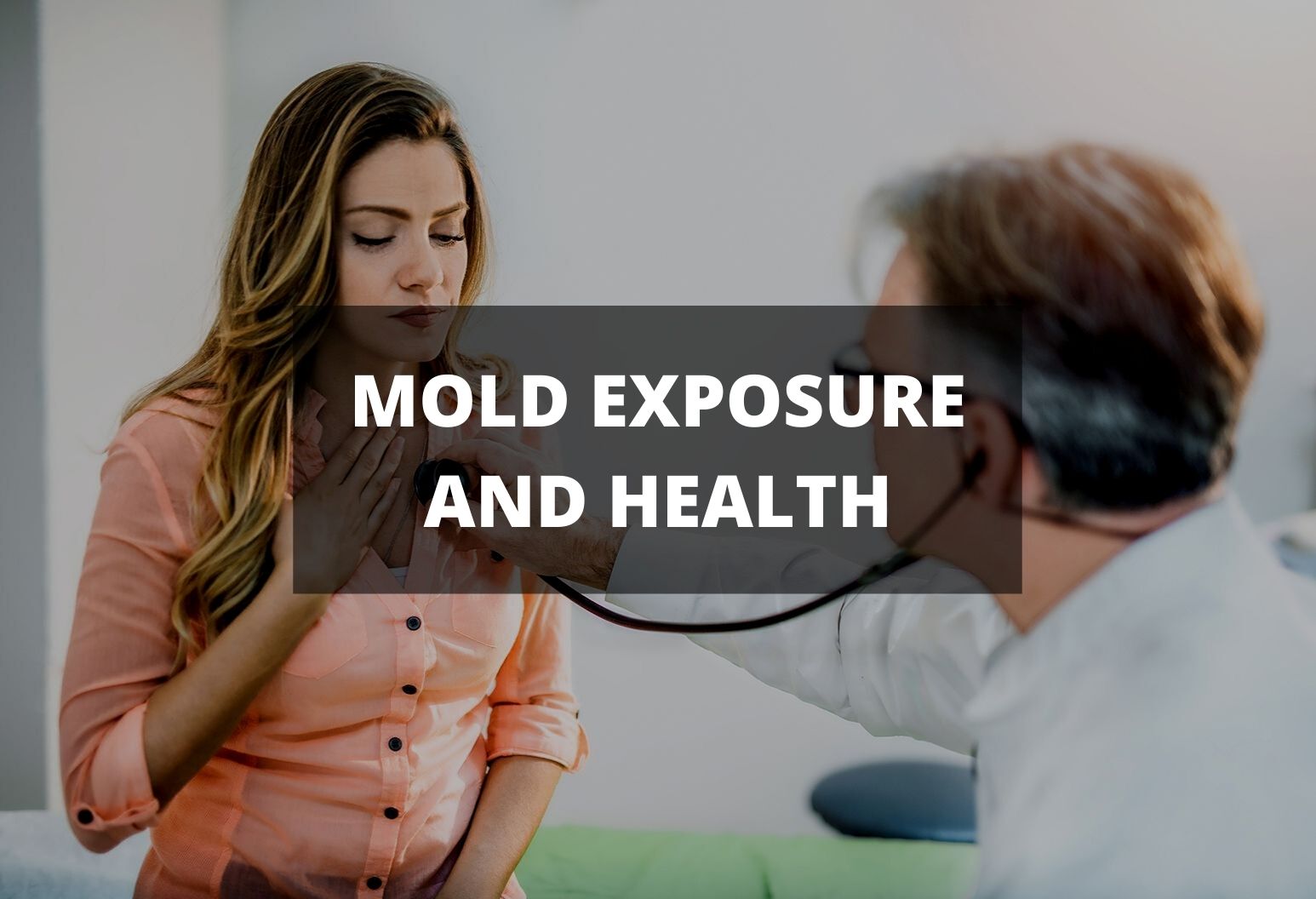
In the last few years, there has been a rise in education and awareness regarding the effects of toxic mold on our health. Mold spores tend to build up in an environment long before any visible signs of an infestation are clear, leading to long-term exposure to this harmful toxin. Diagnosing mold exposure can be challenging, as the symptoms often resemble those of various other health conditions. However, in severe cases, it's crucial to know what to do if exposed to mold, as it may be necessary to visit a doctor. This guide can help you narrow down your exposure, how to tell if mold is making you sick, what to do if you have been exposed to mold, and how a doctor can help.
Key takeaways
- Cold or flu-like symptoms that persist after you leave a damp space are a reason to see a doctor.
- Start with your primary care physician, who may refer you to an allergist for skin-prick or blood (RAST) testing, or a pulmonologist if your lungs are involved.
- Urgent care can assess acute symptoms but usually lacks dedicated mold-exposure testing.
- Watch for and report more serious signs — confusion, chronic fatigue, light sensitivity, vertigo, and joint pain.
- Skip unproven "mold detox," binder, or charcoal-cleanse protocols; the CDC and EPA don't endorse them. Stopping the exposure and fixing the moisture source is what helps.
Mold exposure is dangerous and should be handled immediately. Call us at (877) 349-1231 for a free consultation with a licensed remediation expert available 24/7 near you.
How Quickly Can Mold Make You Sick?
There are several types of fungi that can be found in your home. Mold develops when the perfect environment is created - typically a combination of moisture, humidity, and organic material. Spores can migrate away from thriving colonies through the air, settling on everyday items like shoes, blankets, shower heads, or your HVAC ductwork. As mold proliferates, it releases toxic chemicals called mycotoxins which are the molecules that lead to illness.
Mold toxicity is sometimes described as a biotoxin illness, an idea some practitioners call Chronic Inflammatory Response Syndrome (CIRS). It is worth noting that CIRS is not a universally accepted medical diagnosis and remains the subject of ongoing research. This severe condition triggers a systemic inflammatory response that occurs after an individual has had intense exposure to toxigenic organisms. These organisms can include bacteria, mycobacterium, fungi, actinomycetes, and other inflammatory agents. It is common for people to suffer from an illness where water damage has occurred. Many of these individuals are unable to produce an antibody or immune response to mold toxins, making it a challenge to overcome this mold-related illness.
People with weaker immune systems might have genes that make them more likely to get sick from mold and its toxins. These individuals have the most severe reactions when exposed to mold in high quantities and for long periods of time. For these individuals, they aren’t dealing with just a mold allergy, rather it is a persistent, inflammatory response that can cause serious health complications. People with this kind of persistent reaction should be evaluated and treated by a qualified healthcare provider.
Almost everyone will experience some form of illness or response when their bodies are exposed to high enough levels of biotoxins. The time it takes for someone to show symptoms of mold exposure can vary, but since mold spores spread quickly, some people might start feeling unwell just a few hours after being in a place with a lot of mold.
Do You Need Mold Remediation?
Answer a few short questions and find out now!
What Happens When You Inhale Mold?
Inhaling mold spores is the primary way they enter your body. These spores are too small to see with the naked eye, making it difficult to realize when they're being breathed in and potentially settling in your lungs. While mold will grow on old or decaying food, most people won’t purposely eat a rotten tomato or moldy piece of bread. Certain forms of mold like penicillin can be ingested, but this only occurs under the guidance of a physician for anti-microbial and wellness purposes. Toxicity levels are more likely to occur through inhaling the spores, which can accumulate in the body over time.
Our bodies are designed to filter out toxins, including mold spores, through natural waste elimination processes. But inhaling large amounts of mold spores can overwhelm this system, leading to a buildup of toxins the body can't detox. If the toxic load becomes too great, the body can’t detox effectively, causing mycotoxins to circulate back in the body until it is capable of processing them out. This toxic threshold varies by individual.

What are the Symptoms of Mold Inhalation?
Walking into a room where the mold spore count is high could have a significant effect on your response system. For those who have an allergic reaction to mold spores, the response is more immediate. These individuals may experience watery or itchy eyes, a runny nose, redness around the eyes, shortness of breath, or wheezing. Persistent exposure can create a nagging cough, asthma, or frequent sinusitis. As these symptoms sound much like the common cold or seasonal allergies, it can often be hard to narrow down the culprit as mold exposure. The CDC notes that for people sensitive to mold, exposure can cause a stuffy nose, wheezing, and red or itchy eyes or skin, and that people with asthma or allergies may have more severe reactions.
As symptoms and severity are different for every person, it is difficult to say how long the symptoms will persist. Generally, the length of exposure, the type of mold that an individual has been exposed to, and the body’s natural health and detox process impact how long a person may struggle with a mold illness. Natural detoxing can see symptoms subside in a few days, particularly if the source of mold is eliminated or the individual leaves the environment where the mold is present.
How Can You Detox From Mold Exposure?
The single most important step is to stop the exposure: leave or avoid the affected area and have the mold professionally removed and the moisture source fixed. The CDC notes that for most people, symptoms ease once the dampness and mold are cleaned up and the exposure ends.
You may come across supplement "mold detox," "binder," or "biofilm" protocols promoted online. These are not established or proven medical treatments, and public-health agencies such as the CDC and the EPA do not recommend any specific supplement regimen for mold exposure. Do not start supplements, high doses, charcoal "cleanses," or a "detox" program on your own, particularly if you have ongoing symptoms, are pregnant, or have a weakened immune system.
Talk to a doctor first. A healthcare provider can rule out other causes, treat your symptoms, and tell you what, if anything, is actually appropriate for your situation.
When To See Your Doctor For Mold Exposure?
If your cold or flu-like symptoms persist, it may be time for a trip to the doctor. Even if you aren’t aware that mold could be causing your issues, a doctor may be able to make the correlations between your symptoms and CIRS. There are a number of more serious side effects of mold exposure that the doctor may ask if you’ve experienced. These include:
- Confusion and disorientation
- Chronic weakness and fatigue
- Cognitive delays and difficulties
- Hypersensitivity to bright lights
- Lightheadedness and vertigo
- Asthma or chronic respiratory conditions
- Joint pains, cramping, or muscle aches

What Doctor Can Test For Mold Exposure?
Your primary care physician is the right place to start for an initial examination and consultation regarding your symptoms. If necessary, you may be referred to specific doctor who treats mold illnesses, such as an allergist. Allergists can conduct specific tests to diagnose mold allergies, typically performed at their office or an allergy clinic.
- The skin prick test will take a diluted amount of a suspected allergen or those that may be commonly found around the area (such as mold spores local to the area) and expose the individual to them. The substances are applied to the skin of the back or the arm with tiny punctures. It is left on the skin for several minutes before being evaluated for an allergic reaction. Hives, or small raised bumps, may appear if the skin has an allergic response to the substance.
- A blood test may also be used to measure your body’s response to mold exposure. This test, called a radioallergosorbent test, measures the presence of specific antibodies in your blood. These immunoglobulin E antibodies fight off the toxic substance, and in a medical laboratory, these antibodies can be tested to reveal the specific sensitivities to the molds that they’ve been exposed to.
Those whose immune system has become severely compromised and who have developed serious respiratory conditions may be referred to a pulmonologist. These doctors address problems with the lungs and the respiratory system.
Can Urgent Care Test For Mold Exposure?
Urgent care centers can provide initial assessments for when you have been exposed to mold, such as respiratory issues or allergic reactions. However, they may not have the specialized tests specifically for mold exposure. For more in-depth testing, they might refer you to an allergist or a specialist in environmental health. It's always best to consult with your primary doctor for guidance on mold exposure testing.

What Are the Treatments for Mold Exposure?
The first step in treating problems with mold exposure is to avoid the environment where the mold has started. In short, the underlying mold problem needs to be addressed, or you will simply be managing the symptoms. It is also difficult to completely avoid any mold exposure, which means some medications or therapies will ease the symptoms rather than offer a cure. However, in conjunction with your physician, you should be able to enjoy an improved quality of life once you have had the mold removed and your immune system set back on track. Here are some of the treatments or medications that are used to address mold exposure.
- Antihistamines: For the runny nose, watery eyes, sneezing, and itching that comes from exposure to mold, these medications can be helpful. They work by blocking the histamines, which are inflammatory chemicals the body naturally releases when attempting to address an allergic reaction. Common over-the-counter medications include Claritin, Allegra, Zyrtec, Xyzal, and Alavert. These have few side effects. Prescription nasal sprays like Patanase and Astelin are effective but often cause nasal dryness and leave a bitter taste in your mouth.
- Nasal corticosteroids: Nasal sprays can be used to treat upper respiratory responses to a mold allergy. Often considered the most effective allergy medications, these are typically one of the first things prescribed. Nasal dryness and nosebleeds can be side effects of these medications, but Nasonex, Rhinocort, Zetonna, and Xhance have been deemed safe for long-term use.
- Oral decongestant: These medications alleviate the stuffy nose and sinus pressure symptoms that can accompany an allergic response. These have been known to raise blood pressure, so only use them in conjunction with a physician's approval. Sudafed and Drixoral are two of the more common decongestants.
- Montelukast: Sinclair is the name given for this tablet that blocks the work of leukotrienes. This alters the chemical response of the immune system that increases the production of mucus. It has been seen to be effective with both mold allergy exposure and allergic asthma.
- Immunotherapy: For individuals that have had severe exposure and have a weakened immune system, this treatment may be effective. In this series of allergy shots, the individual develops a natural resistance or tolerance for the allergen. There are only a few types of mold species where this can be used.
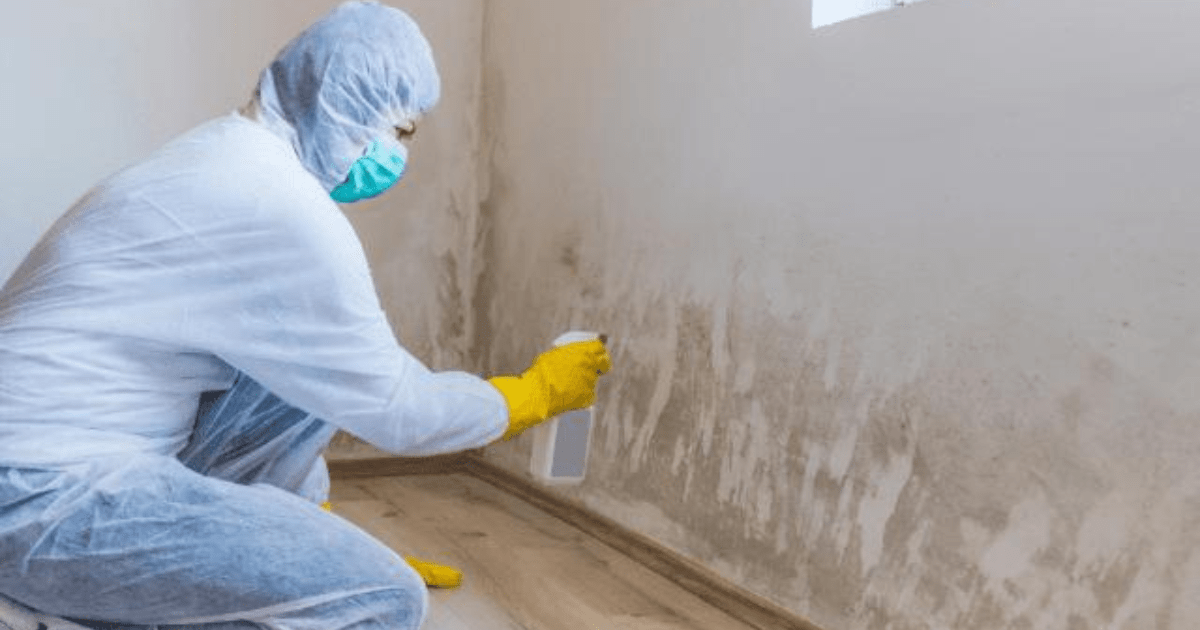
Lifestyle changes may also need to be made for an individual to recover from mold poison. The primary consideration is removing the source of the toxin, either through mold remediation and cleanup or by taking yourself out of the environment. If you have found mold in your home, don’t delay in having it removed. With a serious allergy to the substance, it isn’t advised that you undertake the cleaning on your own. Professional help is advised if you want to thoroughly remove the contaminant without making the problem worse.
How Can I Prevent a Relapse?
Mold spores can be found just about anywhere, whether inside or outside. However, you can take preventative measures to ensure they don’t breed into larger, toxic colonies. If there are water leaks in or around the house, have them repaired immediately. Dark, wet environments and plenty of organic material create the perfect home for mold growth. Keep your attic and basement or crawl space dry and free of moisture. Consider bringing in an environmental professional and having an ERMI mold test done every so often to evaluate your home for the presence of mold. There are DIY kits that can be purchased, but these results aren’t always accurate.
If you suspect mold exposure, whether from discovering mold in your home or experiencing persistent symptoms like those mentioned, take the first step by scheduling an appointment with your healthcare provider. This is crucial for addressing any health concerns related to mold. As you make a plan to remove mold from your home and prevent future relapses, call the Mold Remediation team to have the mold problem removed.
FAQs
Which mold symptoms mean I should see a doctor?
See a provider if cold or flu-like symptoms persist after you leave the damp area, or if you notice a fever, shortness of breath, chronic fatigue, confusion, or worsening asthma. When in doubt, consult a licensed physician.
What kind of doctor treats mold exposure?
Start with your primary care physician. They may refer you to an allergist for allergy testing, or to a pulmonologist if your lungs or breathing are seriously affected.
What tests check for mold exposure?
An allergist can run a skin-prick test or a blood test (RAST) that measures antibodies to specific molds. Urgent care can handle acute symptoms but usually doesn't offer dedicated mold testing.
Can I detox from mold exposure on my own?
Skip the supplement "detox," binder, and charcoal-cleanse protocols sold online — the CDC and EPA don't recommend them. Stopping the exposure and talking to a doctor first is the proven path.