Distilled white vinegar is the one that kills mold. Its acetic acid wipes out roughly 80 percent of mold species on contact. Spray it on undiluted, let it sit at least an hour, then scrub — diluting it or wiping too soon is why a quick pass usually fails.
Mold is a very common species that lives in many people's homes and can pose a threat to our health and well-being. Even without serious immune responses, mold growth can have a negative impact on the health and safety of everyone who is subjected to continual exposure to the toxic particles. Mold spores are difficult to contain, but growth can be prevented and addressed by thoroughly monitoring and removing mold with vinegar.
Key takeaways
- Distilled white vinegar is the one to use; its acetic acid kills over 80% of mold species on contact.
- Apply it undiluted — watering it down cuts the acidity and is the main reason a quick pass fails.
- Let it sit at least an hour before scrubbing; wiping too soon just smears the colony around.
- Vinegar handles surface mold but won't reach spores deep in porous drywall or fix the moisture feeding the growth.
- For dark stains left behind, follow up separately with hydrogen peroxide, borax, or baking soda — never mixed together.
What Is Vinegar?
There are some mold or mildew situations that you can kill by using household vinegar. As a cleaning agent, it is an affordable and effective solution against many types of mold. Here’s what you should know about vinegar and killing mold.
Vinegar is produced through fermentation, a process that ranges from a few months to a full year to complete. It originates from acetic acid combined with various diluted alcohols. Ingredients such as beech wood, grapes, rice, or beer are utilized to craft the diverse array of vinegar types available. While there are numerous vinegars like balsamic and rice wine vinegar that enhance our cooking, distilled white vinegar stands out as the optimal choice for mold cleaning purposes. The acid in the vinegar is said to kill at least 82% of known mold species, but it may not always be the best solution for mold removal.
Where Does Mold Come From?
Mold needs three things: moisture, an organic surface to feed on, and time. Spores are already in the air; they only become a problem once a damp wall, a leak, or poor ventilation gives them a foothold. That backdrop matters here because the type of growth you are looking at changes whether vinegar is the right tool.
Black mold (Stachybotrys chartarum) is the strain most people worry about, and it behaves differently from common household mold — it needs a steady water source and digs into cellulose-heavy materials like drywall. If you are specifically dealing with black patches on a wall, we cover how it takes hold and how to remove it in our guide to getting rid of black mold on walls.
Where Mold Tends to Grow Indoors
Mold follows moisture, so it shows up wherever water lingers: bathrooms (grout, shower curtains, under the sink), kitchens (the fridge drip tray, behind the stove, under leaky faucets), and low-traffic spaces like basements, attics, and garages where ventilation is poor and leaks go unnoticed. If you can smell it but can't see it, check those spots first. Knowing the surface — tile, drywall, painted wood — tells you whether a vinegar concentration like the ones below will do the job or whether you need something stronger.

What Type of Vinegar Kills Black Mold?
In the fight against mold growth, the presence of black spores can be the most alarming and dangerous. While all mold varieties have the potential to cause serious harm to your health, black mold is the most notorious for causing severe respiratory and immune system concerns. Vinegar, specifically distilled white vinegar, is effective at killing many types of mold, including black mold, on surfaces. It can kill over 80% of mold species, including black mold, due to its acidic nature.
However, it's important to note that vinegar, while effective at killing surface mold and stopping its growth, may not be effective against mold embedded deep within porous surfaces. It also does not address the root causes of mold growth, such as excessive moisture. Depending on how bad the infestation is, black mold often requires the assistance of mold remediation specialists to ensure complete removal. Improper cleaning and removal can cause spores to escape from the area and find a new place to settle in and breed.
How Quickly Can Vinegar Kill Mold?
While vinegar is a great mold killer, it's crucial to let it sit undiluted on the affected area for at least an hour before scrubbing or cleaning. Make sure not to dilute the vinegar as this reduces its acidic strength and its effectiveness against mold. In cases of extensive infestations, multiple applications may be necessary to fully cleanse the area."
How Is Vinegar Used to Kill Mold?
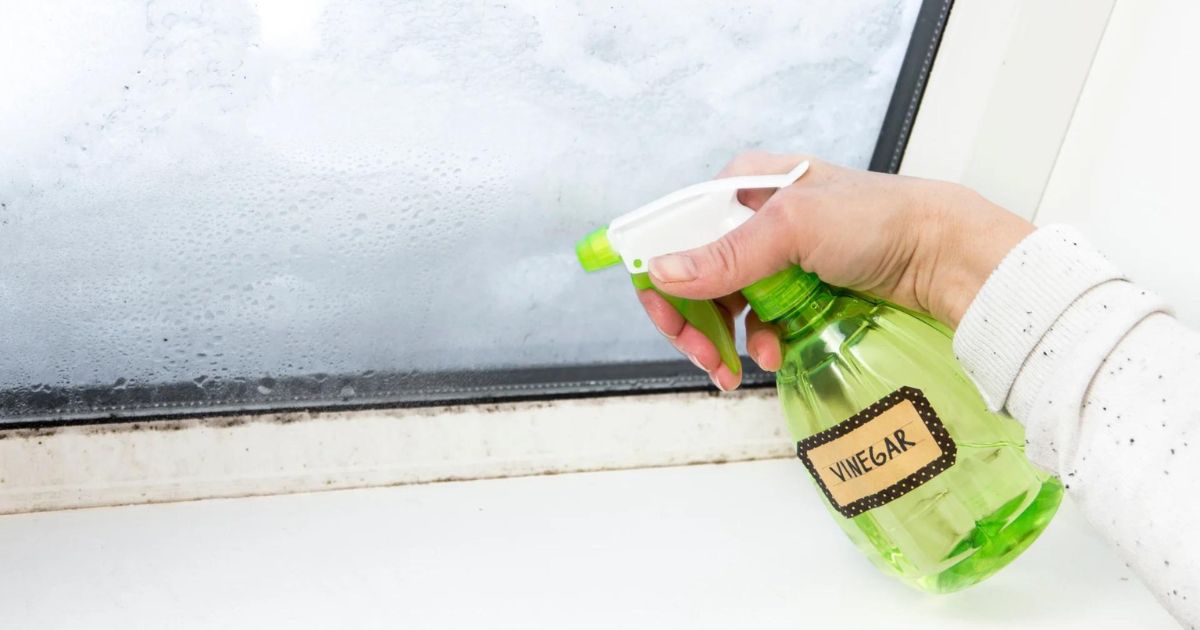
The method is simple, which is part of vinegar's appeal: spray it on undiluted, give the acetic acid time to break down the mold's cell membranes — at least an hour — then scrub and wipe. Put on gloves and a mask first, since scrubbing sends spores airborne.
That dwell time is the part people skip, and it's why a quick wipe rarely works. The acid has to sit long enough to actually kill the colony, not just smear it around.
For the full walkthrough — surface-by-surface, including painted walls versus porous drywall, dilution ratios, and sealing afterward — follow our step-by-step guide on how to remove mold from walls with vinegar.
Will Vinegar Remove Mold Stains?
Vinegar is potent enough to eliminate most mold and mildew species. However, for removing dark stains, you might need to enhance its effectiveness by combining it with hydrogen peroxide, borax, or baking soda. Do not mix the elements directly. Use them separately and in stages to remove deep stains.
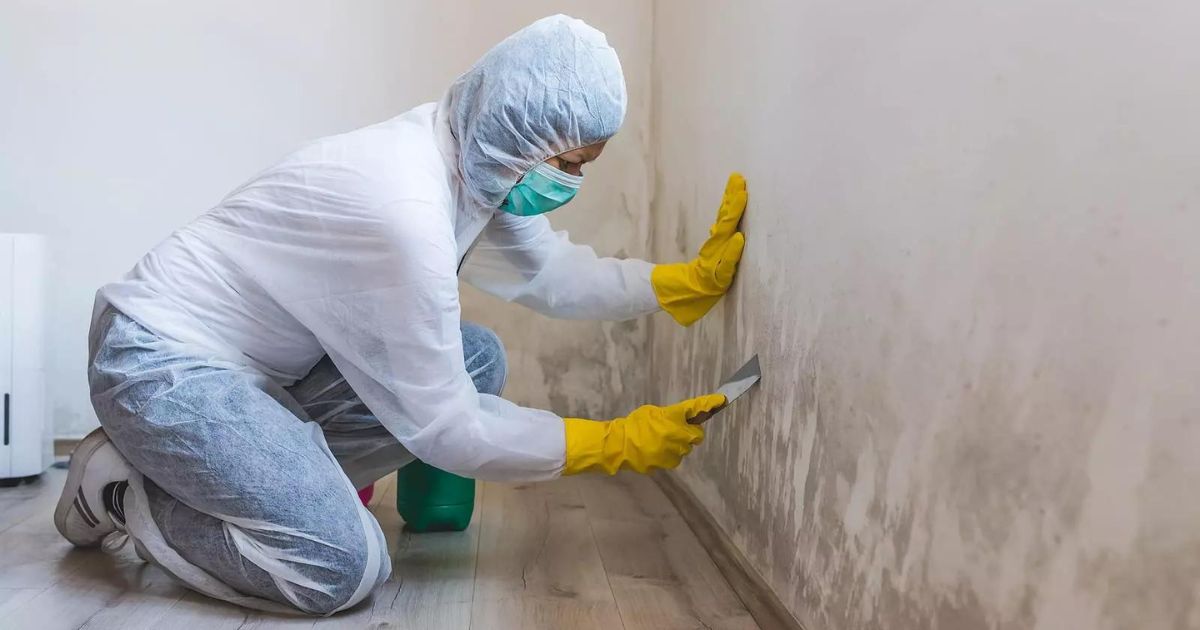
For mold infestations that have gotten out of hand and cannot safely be removed by your DIY solutions, bring in an expert mold remediation team. With the right safety protection, equipment, and understanding of how mold grows, you can be sure that removal services will expertly deal with your concerns. Your responsibility is to address the root cause of moisture for long-term prevention.
FAQs: What Kind of Vinegar Kills Mold?
1. Does rice vinegar kill mold?
Rice wine vinegar, like other types of vinegar, contains acetic acid, which can kill some types of mold and bacteria. Its effectiveness is weaker than distilled white vinegar because rice vinegar has a lower acetic-acid concentration.
2. Does red wine vinegar kill mold?
Red wine vinegar, like other vinegars, contains acetic acid, which has antimicrobial properties capable of killing only some types of mold. But, its acetic acid concentration is lower than distilled white vinegar, which is more commonly recommended for removing and killing mold.
3. What percentage of vinegar is effective for killing mold?
To effectively kill mold, a vinegar solution should contain at least 5% acetic acid (20% is optimal), which can be found in most household white vinegar products. This concentration has been shown to kill most mold species on non-porous surfaces. For more severe mold infestations, you may need something stronger or an expert mold removal service.
See also: Ready to clean it off? Follow our step-by-step guide to removing mold from walls with vinegar, or if the growth is black and spreading, read how to get rid of black mold on walls.