Call MoldRemediation.io
Reach our 24/7 support center and tell us what you are seeing.
Before anyone removes mold, you need to know what you are dealing with, how far it has spread, and what is feeding it. A professional inspection answers those questions with measurements and lab results instead of guesswork. We connect you with licensed local inspectors who test the air, the surfaces, and the moisture behind your walls, then hand you a report you can act on.
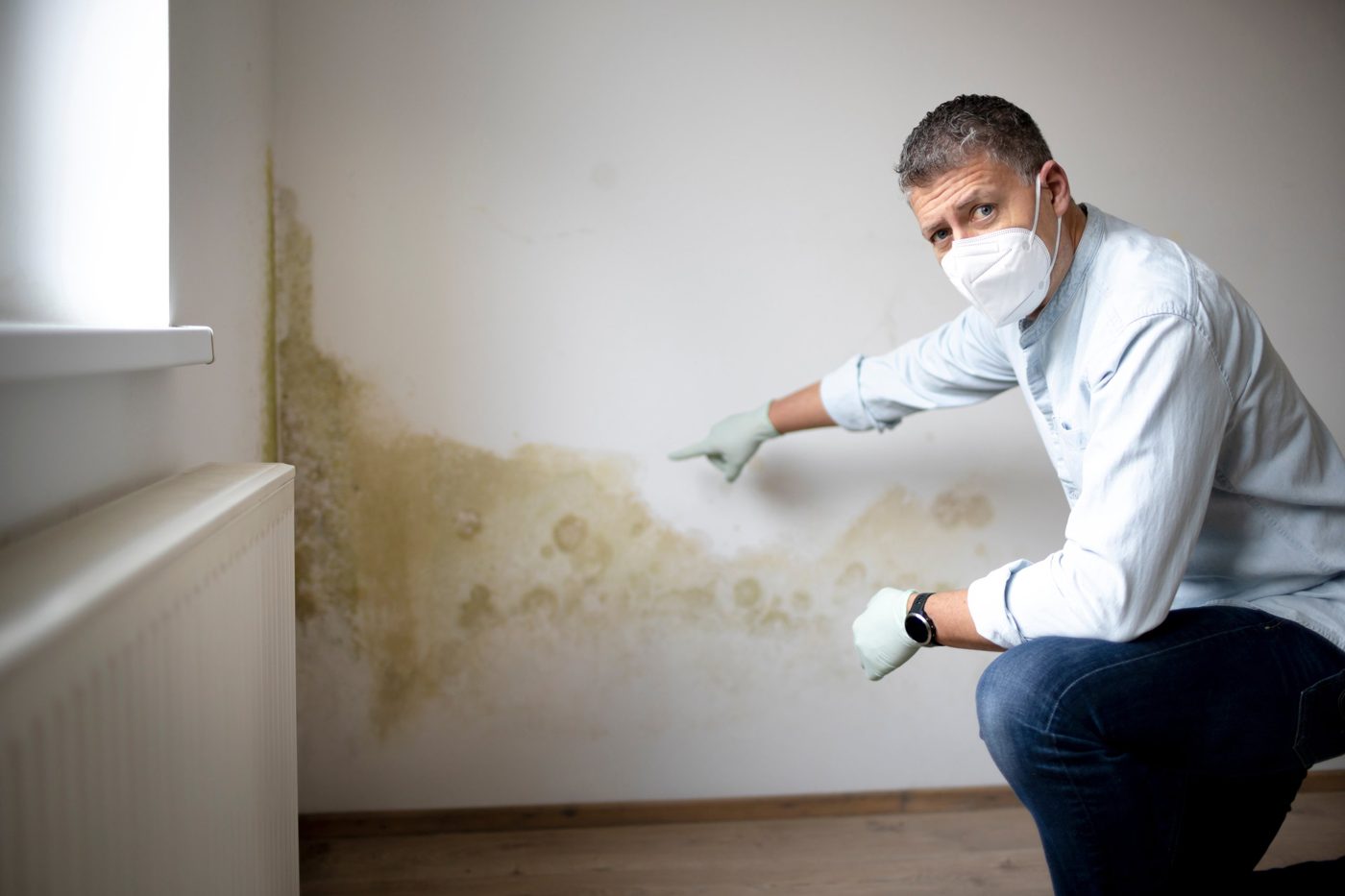
A real inspection is more than a flashlight and a sniff test. The inspector measures the conditions mold needs and pulls physical samples that go to a lab, so the findings hold up if you are buying a home, filing a claim, or planning remediation.
Get an inspection before you buy or sell a home, after any flooding or water damage, when a musty smell keeps coming back, or when you can see growth but cannot tell how deep it goes. Health symptoms are another trigger: lingering congestion, coughing, headaches, or asthma that flares indoors and eases when you leave.
If you want to understand the testing side before you book, our guides walk through it: how to test for mold in an apartment and how to test for mold exposure. An inspection is also how you get clearance testing after remediation — proof the job actually worked before the containment comes down.
A drugstore settle-plate kit tells you mold exists, which you already suspected, because mold spores are in nearly every building. What it cannot do is compare your indoor levels to the outdoor baseline, identify the species, find the moisture source, or measure how far the problem reaches. Those gaps lead to false alarms and missed hidden growth.
A professional inspector samples against that baseline, sends the results to an accredited lab, and ties the readings back to the leak or humidity that caused them. You get an answer you can hand to a remediation crew, a buyer, or an insurer.
A good report names the mold types found, gives spore counts measured against the outdoor sample, points to the moisture source, and maps how far the affected area extends. From there it recommends a scope of work — what needs removal, what can be cleaned and dried, and what to fix so it does not return.
If the inspection follows remediation, the report states whether the space passed clearance. That document is your record that the work met standard before anyone moved back in.
If testing confirms a problem, we connect you with one of the certified, licensed, bonded, and insured local crews in our network to handle removal and treatment — see our certified mold remediation services. If the result is clean, you keep the report for your records and we point you to the moisture fix that prevents future growth. Either way, the next step is clear and you are not paying for work you do not need.
The same careful process on every job, from the first call to a thoroughly cleaned and sanitized space.
Reach our 24/7 support center and tell us what you are seeing.
A certified local technician assesses the mold and finds the moisture source.
We seal off the area so spores do not spread during the work.
HEPA filtration captures airborne spores while the crew works.
The mold is removed and the affected materials are treated.
We sanitize the space and share tips to keep mold from returning.
Wondering what it costs? Our mold remediation cost guide breaks down typical price ranges by severity.
A standard mold inspection typically runs $300 to $700, with larger homes or jobs that need extensive sampling reaching $1,000 or more. Some companies credit the inspection fee toward remediation if you hire them, though the independent inspectors we match you with often keep the two separate to stay objective. You'll know the fee before booking.
A typical home inspection takes two to four hours, depending on the size of the property and how many areas need sampling. The inspector checks for moisture, looks in common problem spots, and may collect air or surface samples. If samples go to a lab, written results usually come back within a few days.
Yes, especially for older homes, properties with a history of water damage, or any place with a musty smell or visible staining. Remediation can cost thousands, so a few hundred dollars upfront can flag a problem before you close or give you room to negotiate repairs. The inspectors we connect you with provide documented findings you can bring to the negotiation.
An inspection is the broader visual and moisture assessment, where a specialist looks for active growth, water sources, and conditions that let mold thrive. A mold test is one part of that: collecting air or surface samples and sending them to a lab to identify the species and concentration. You can have an inspection without testing, but testing without an inspection rarely tells the full story.
Mold spreads within days and damages both air quality and the materials around it. Call now or request a free inspection, and a certified local crew will take it from here.